

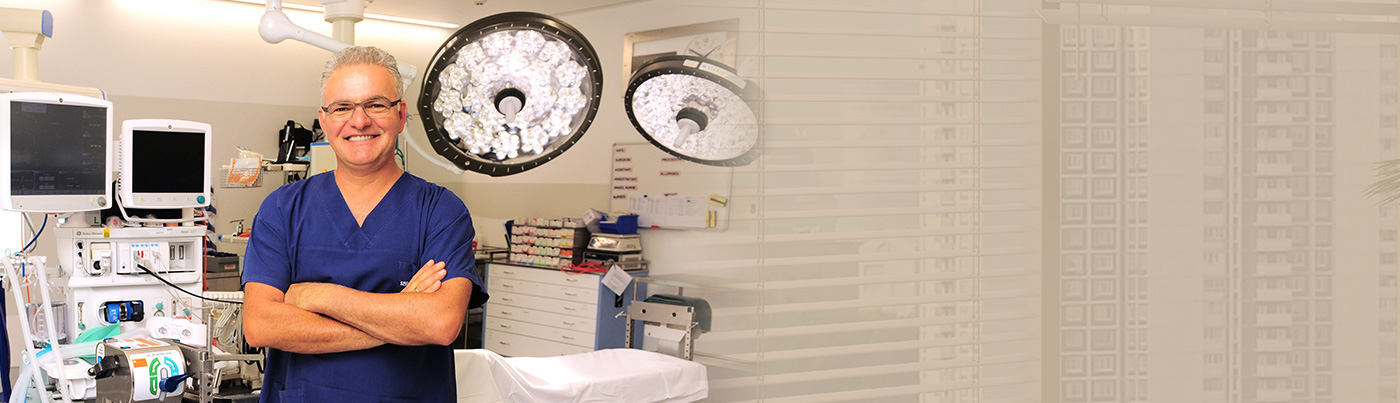


Surgical Team

Dr Simon Adamo
Specialist Anaesthetist
MBBS UNSW, FANZCA
Professional Organizations:
Fellow Australian & New Zealand College of Anaesthetists(FANZCA
Australian Medical Association (AMA)
Australian Society of Anaesthetists(AMA)
Hospital Apointments, Visiting Medical Officer(VMO):
St Vincent General
St Vincent Private
St Vincent Clinic
Committee membership:
ASA NSW Executive
NSW representative ASA Econimics Adivisory Committee
St Vincents’s private Anaesthetic Department Executive
St Vincents’s private Anaesthetic Department
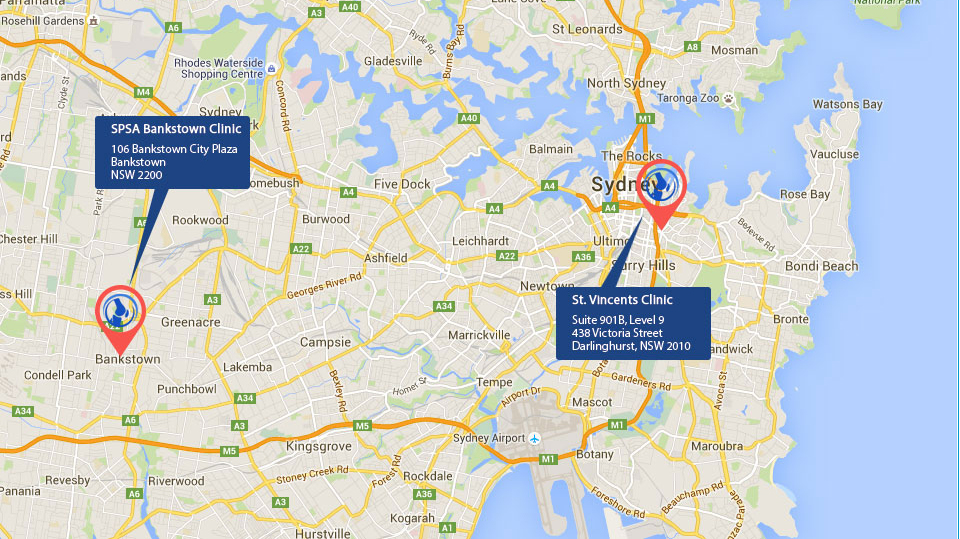
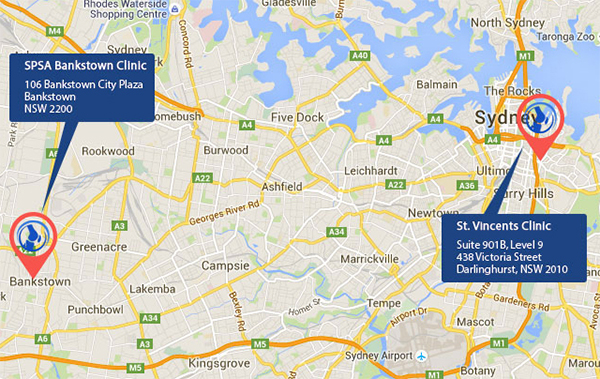
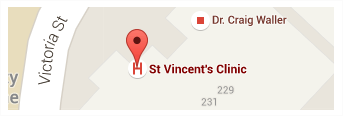
Suite 808, St Vincents’s Clinic
438 Victoria Street
Darlinghurst NSW 2010
P: (02) 8382 6838
P: (02) 8382 6841
Email: genas@zeta.org.au
Dr Maroun Mallat
Specialist Anaesthetist

Dr Alok Narayan
MBBS University of Adelaide (2006)
Surgical Assistant
Alok Narayan has worked with Nick Vertzyas since 2010. He has four years of experience in Orthopaedics, including being a trainee for Australian Orthopaedic Association (AOA). He has particular interest in hip and knee surgery.
Professional Organizations:
- Australian Medical Association (AMA)
- ARTC Certified Medical Professional
Committee membership:
- Fullerton Health Care – Orthopaedic Injury Management Associate
- Clinical Advisory Committee – Jobfit Australia
Email: alok_narayan@hotmail.com